"The Press, It Can Be a Trap"
Sonny Rollins, talking about jazz criticism in the 1990s

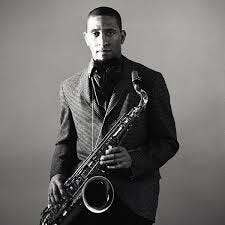
Sonny Rollins, the agile improvisor and peerless tenor saxophonist, was tuned to the shifting winds of the moment when he played.
And he was that way when he talked.
A master of spontaneous originality, Rollins enjoyed conversation. He died last week, at age 95, after creating foundational, genre-defining and genre-expanding recordings and live performances for more than half a century. (Shall we pause and think about that for a moment, Sabrina?)
Rollins could be fiercely intellectual; when warranted, he displayed a professor’s knack for drilling down to the realm of micro-specifics on any/every topic. But while there, he was always a musician; he’d pivot on a dime and introduce and then dispense with counter-arguments, juxtaposing thoughts in exactly the same way he’d approach phrasing in a solo.
I was lucky enough to sit with Sonny Rollins several times for interviews. One of those exchanges took place at his apartment in Battery Park City, for a story that ran in Jazz Times magazine. Somehow we wandered into the subject of jazz criticism. I asked him for his thoughts on some of the young musicians (saxophonist Christopher Hollyday and trumpet player Marlon Jordan) then attracting boatloads of media attention. Here’s a bit of what he said:
[Disclosure statement: My interview “archive” is something of a mess. There are no dates on any of the interview tapes. I recorded audio on a portable cassette player that, I discovered only recently, had a nasty habit of recording a bit fast. (Unless the batteries were running down, in which case it would get progressively slower.) I used digital audio tools to clean up the sonics but left the voices as captured.]